

Every New Year looks like a controlled explosion. Fireworks crack the sky, music rattles windows, and lights flash like the universe hit a party switch. This is not random behavior. Humans across cultures agreed, without texting each other, that the year should begin loudly and brightly. When the clock hits midnight, silence feels wrong, almost disrespectful. Noise, fire, and light turn a normal night into a moment that feels bigger than rent, emails, and yesterday’s problems. But why are New Year celebrations always about noise, fire, and light? Here’s the answer.
Noise Scares Away What We Don’t Want
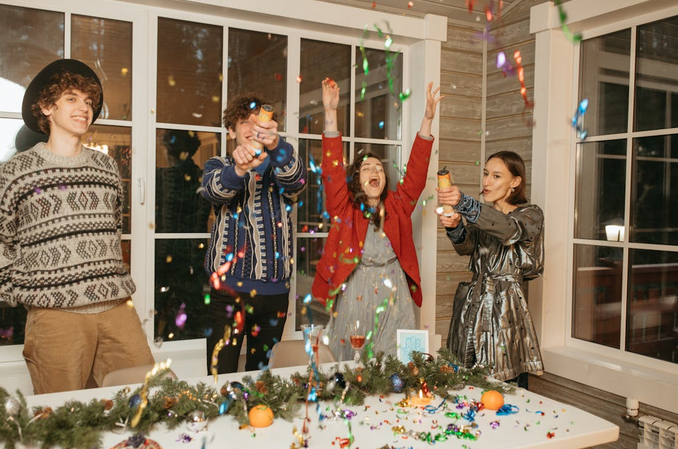
Loud sounds have been part of New Year rituals long before speakers and playlists existed. Drums, bells, firecrackers, and shouting were used to chase away bad luck, spirits, or general bad vibes. The logic is simple and very human. If something spooky is hanging around, make it uncomfortable. Noise also wakes people up emotionally. A quiet New Year slips by unnoticed, but loud moments stick in memory like glitter in a carpet. Communities shout together, laugh together, and start the year already bonded. Romance hides in shared chaos, in smiling at strangers while ears ring. A loud beginning feels like saying, “Hey, new year, we’re ready.”
Fire Means Endings With Style
Fire shows up in New Year traditions because it knows how to make an exit. Burning old items, lighting torches, or watching fireworks explode gives closure a visual form. Fire eats the past, and leaves ash behind, which feels clean and final. Humans love symbols that do the emotional heavy lifting. There’s also beauty in fire that feels slightly dangerous. Flames pull people closer while demanding respect. Couples hold hands tighter. Friends stand shoulder to shoulder. Fire turns endings into theater, and theater makes change easier to accept. When something burns, it feels like it truly left.
Light Signals Hope Without Words
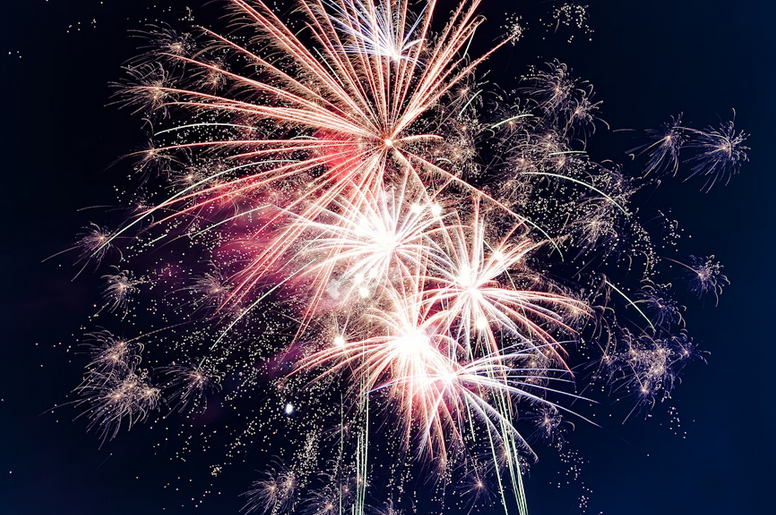
Light has always meant safety, warmth, and direction. On New Year’s Eve, cities glow like giant jewelry boxes left open. Lanterns float, sparklers dance, and fireworks paint temporary galaxies. Light says the future is open, even if nobody knows what is coming next. Light also levels the playing field. Everyone looks better under fireworks. Faces glow. Smiles come easier. Romance slips into the air when everything sparkles for free. Bright moments trick the brain into optimism, and optimism is a powerful way to start fresh.
The Combo Hits Harder Together
Noise, fire, and light work best as a trio. One without the others feels incomplete. Fire without sound feels calm, not celebratory. Light without noise feels like decoration. Together, they overload the senses just enough to mark a real shift. This sensory overload helps people mentally separate years. The brain notices big moments more than quiet ones. That loud, bright chaos becomes a mental bookmark. Later, people say, “That was the night everything changed,” even if nothing dramatic happened. The ritual did its job.
Why We Still Need These Rituals

Modern life already glows and buzzes nonstop, yet New Year rituals survive. That says something. Humans still crave shared moments that feel intentional, even dramatic. Noise breaks the routine. Fire demands attention. Light invites hope. These elements remind people they are part of something bigger, louder, and warmer than daily stress. New Year rituals are emotional resets dressed as parties. They say goodbye loudly and say hello with sparkle. And honestly, that beats whispering into the dark every single time.